Separate an image into layers with AI
LayerPSD separates a flat image into editable layers: it finds each element, cuts it onto a transparent layer, fills in the background behind it and lets you export a layered PSD, a ZIP of PNGs or single layers. It runs on Seedream 5.0 layer decomposition through the LaoZhang API, takes about 35–116 seconds, and costs $0.018 per output layer with no subscription.
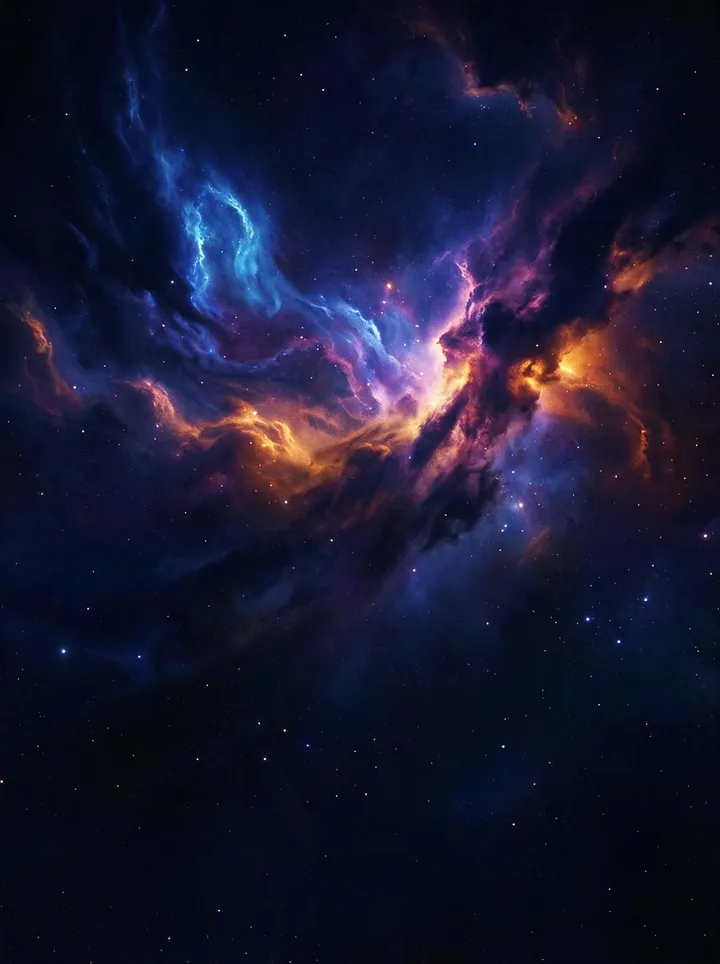
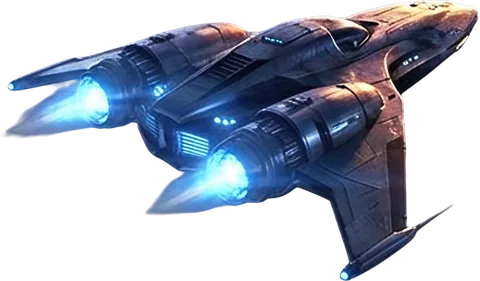





Layers
Resolution
Auto finds every element (up to 16 per pass). Billed per output: at most $0.31 for 17 images. Takes about 35–116 s.
New here?
6 images · 74 s · $0.72

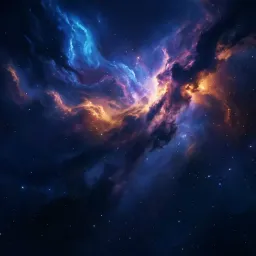
Background

Release notice COMING SOON
Bottom cast and crew fine print

English title STAR VOYAGE
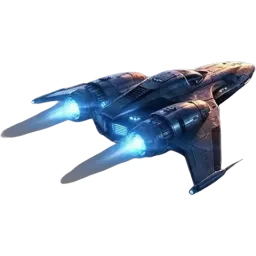
Sci-fi spaceship

Chinese main title 星际迷途
Upload an image on the left to split your own.
At a glance
What LayerPSD does, in one table
The same engine runs every page on this site. These are the facts to compare against other tools.
| Feature | LayerPSD |
|---|---|
| Output | Layered PSD (RGB), ZIP of transparent PNGs, single PNGs, or a PNG of the visible layers |
| Layers | Every element on its own layer: Auto (up to 16 per pass, extra passes for busy images) or a fixed 3, 4, 6 or 8 |
| Background behind objects | Filled in (amodal inpainting), so moving or hiding a layer leaves no hole |
| Text | Detected automatically, no brushing. Optional native Photoshop type layers you can double-click and retype; stroke, glow, shadow and gradient become layer styles (beta) |
| Change words, keep the font | The model redraws the new words in the same lettering, including custom and hand-drawn type |
| Every object separately | Multi-object segmentation: people, products, logos, text and decorations each on a layer, named by content |
| Price | $0.018 per output image on Flash, $0.12 on Pro; background + 4 layers = $0.09. One free try with Google sign-in. No subscription |
| Speed and size | 35–116 s per split; input up to 50 MB; output 1K, 1.5K or 2K |
| Privacy | The PSD is built in your browser. Images go through our gateway (gen.yingtu.ai, which keeps no images) to the LaoZhang API and the model; LayerPSD stores nothing. Do not upload confidential work |
Facts checked 2026-09-30 against the published sample runs and LaoZhang list prices. benchmarks.json
How it works
Three steps, one image
- 1
Upload the image
Drop a JPG, PNG or WebP (up to 50 MB), or paste it with Ctrl + V. Nothing to install.
- 2
Split into layers
Seedream 5.0 finds every element, cuts each onto a transparent layer and fills in the background behind it. About 35–116 seconds.
- 3
Refine and export
Hide, move or split any layer again, retype text in the same lettering, then export.
What you get
- Auto layer count (up to 16 per pass) or a fixed 3, 4, 6 or 8
- A filled-in background, not a hole where things used to be
- Nested splits: split a layer, then split its parts
- PSD, ZIP or PNG export, built in your browser
What it is not (and what to use instead)
Layers rigged for animation out of the box
You get the parts as layers; rig them in Live2D, Spine or After Effects.
Figma frames from a UI screenshot
Use a screenshot-to-Figma plugin; LayerPSD returns image layers, not UI components.
The same layer count on every run
Ask for a fixed count (3–8); Auto can vary between runs.
By hand vs. automatic
Doing it by hand in Photoshop, and doing it here
You can do all of this in Photoshop yourself. This is what each step takes by hand, and what LayerPSD does instead.
| Step | In Photoshop, by hand | In LayerPSD |
|---|---|---|
| Select each element | Object Selection Tool, then Select and Mask for hair and soft edges, for every object | All elements found in one pass |
| Put it on its own layer | Layer via Copy or a layer mask, one by one | Every element already on a transparent layer, named |
| Fill what was behind it | Generative Fill or Content-Aware Fill on each hole, then clean up | Background repainted automatically |
| Make text editable | Match Font, then retype each line and rebuild stroke and shadow | Export native type layers with effects as layer styles (beta) |
| Time for a 10-element poster | Typically 30–60 minutes | About 1–2 minutes, $0.20 on Flash |
Under the hood
How the split works
Layer decomposition
The image goes to Seedream 5.0 with layer decomposition on. The model detects each element (instance segmentation), returns it as its own RGBA image with a bounding box and a name, and returns a background with the covered areas repainted (amodal inpainting).
Assembly in your browser
Your browser places each layer at its box on the background and writes the PSD, ZIP or PNG locally. Nothing is assembled on a server.
Editable text (beta)
For "PSD with editable text", a small vision model reads each text layer: the words, size, color, stroke, glow, shadow and gradient. Each becomes a native Photoshop type layer with those effects as layer styles, stacked over the original pixels so the file opens looking exactly like the preview. Fonts are matched by style; lettering the model cannot read stays as pixels.
Retyping text
To change words, the model redraws only that text in the same lettering and leaves the rest of the image alone, so it also works for custom or hand-drawn type that no installed font matches.
Questions
Short answers on splitting, export and billing. Anything else, email us and a person replies.